
Once an ecom brand hits $100k a month, the conversation around CRO usually begins to emerge. Margins are starting to get squeezed as ad spend is pushed, & it's seen as a logical conclusion to the problem of increasing CACs and decreasing bottom lines.
But there's a problem with traditional CRO that is often overlooked.
It figures out how to get more people to click a certain button. It doesn't figure out, at what cost.
It's usually ran as if the ecom brand is a set of isolated events.
It isn't.
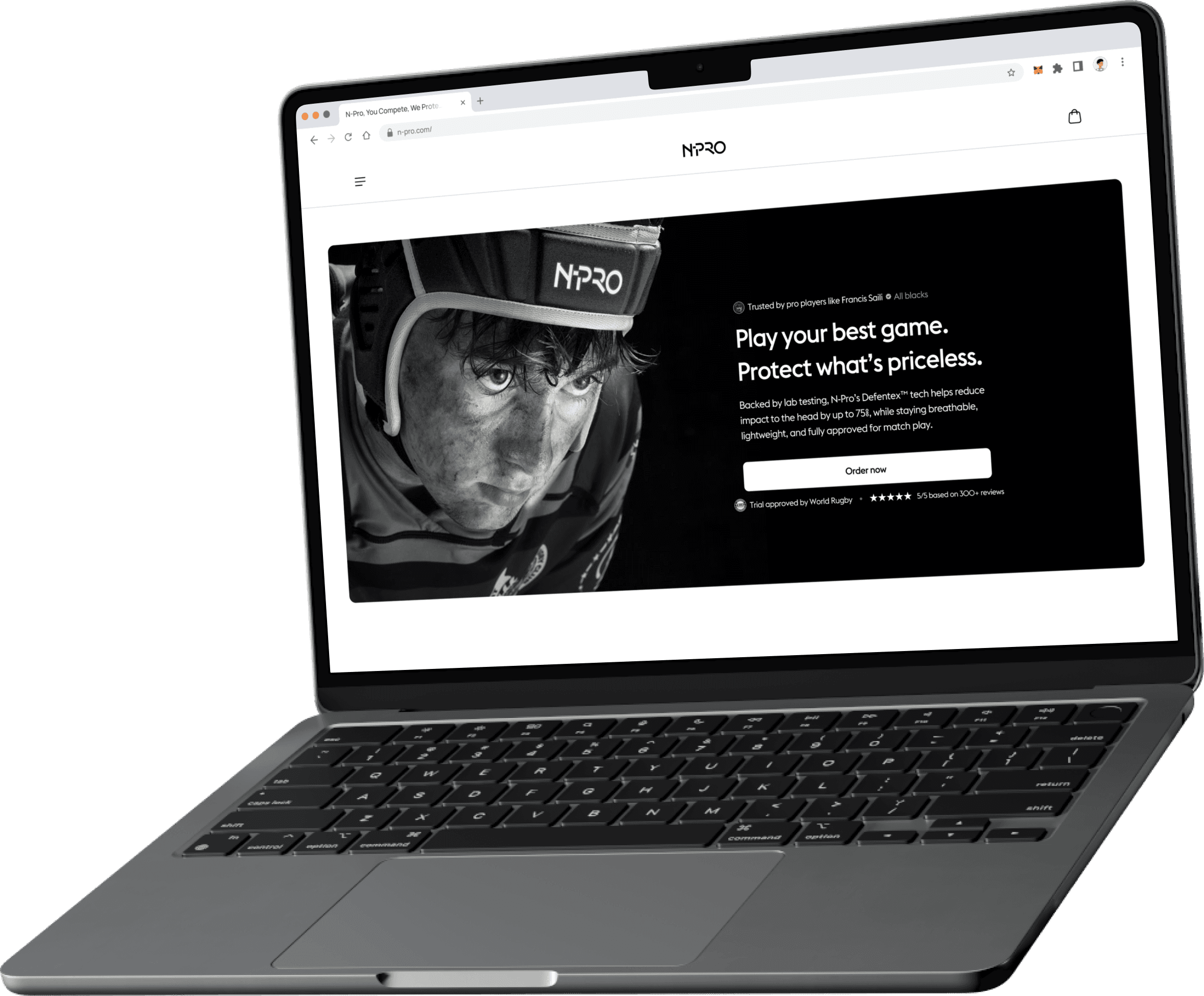
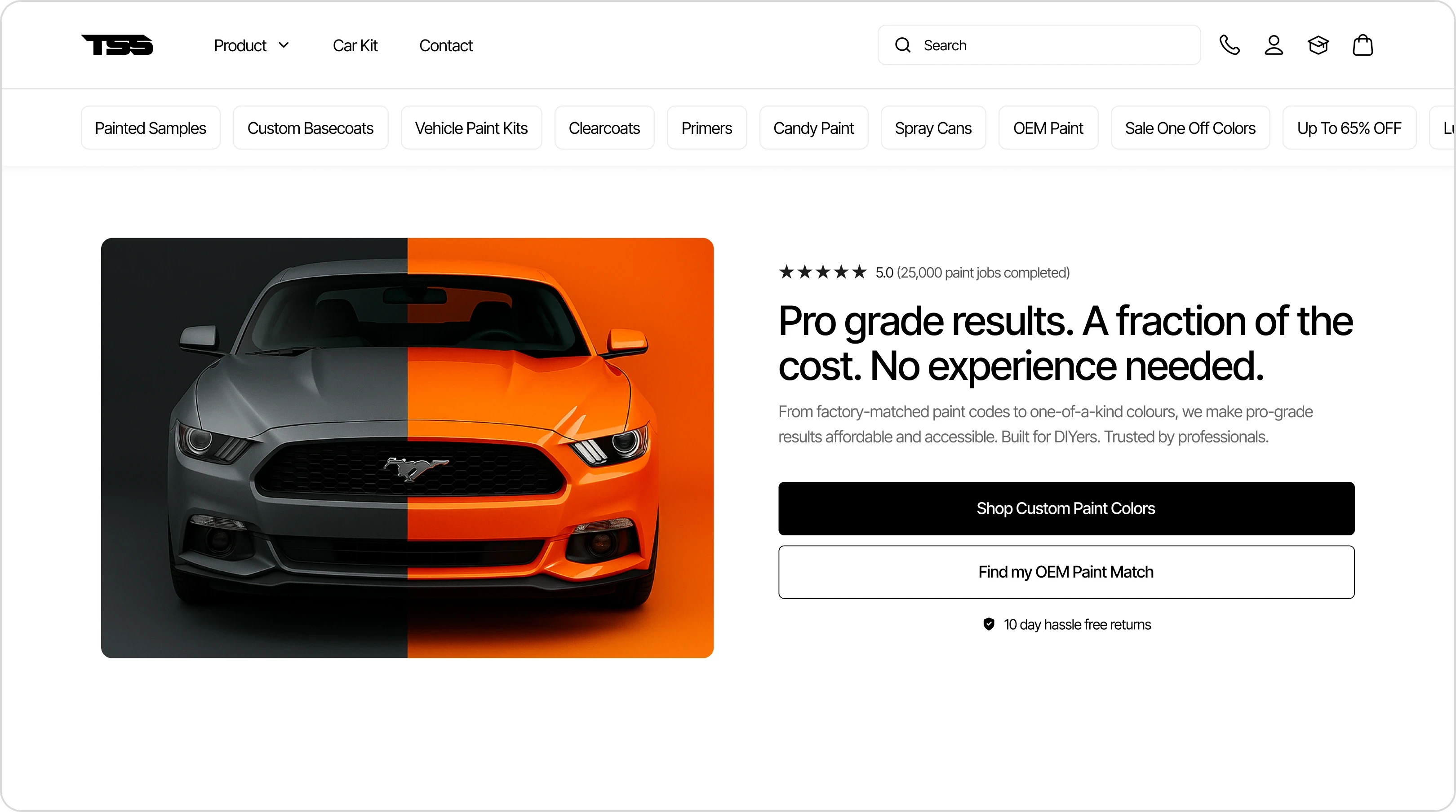
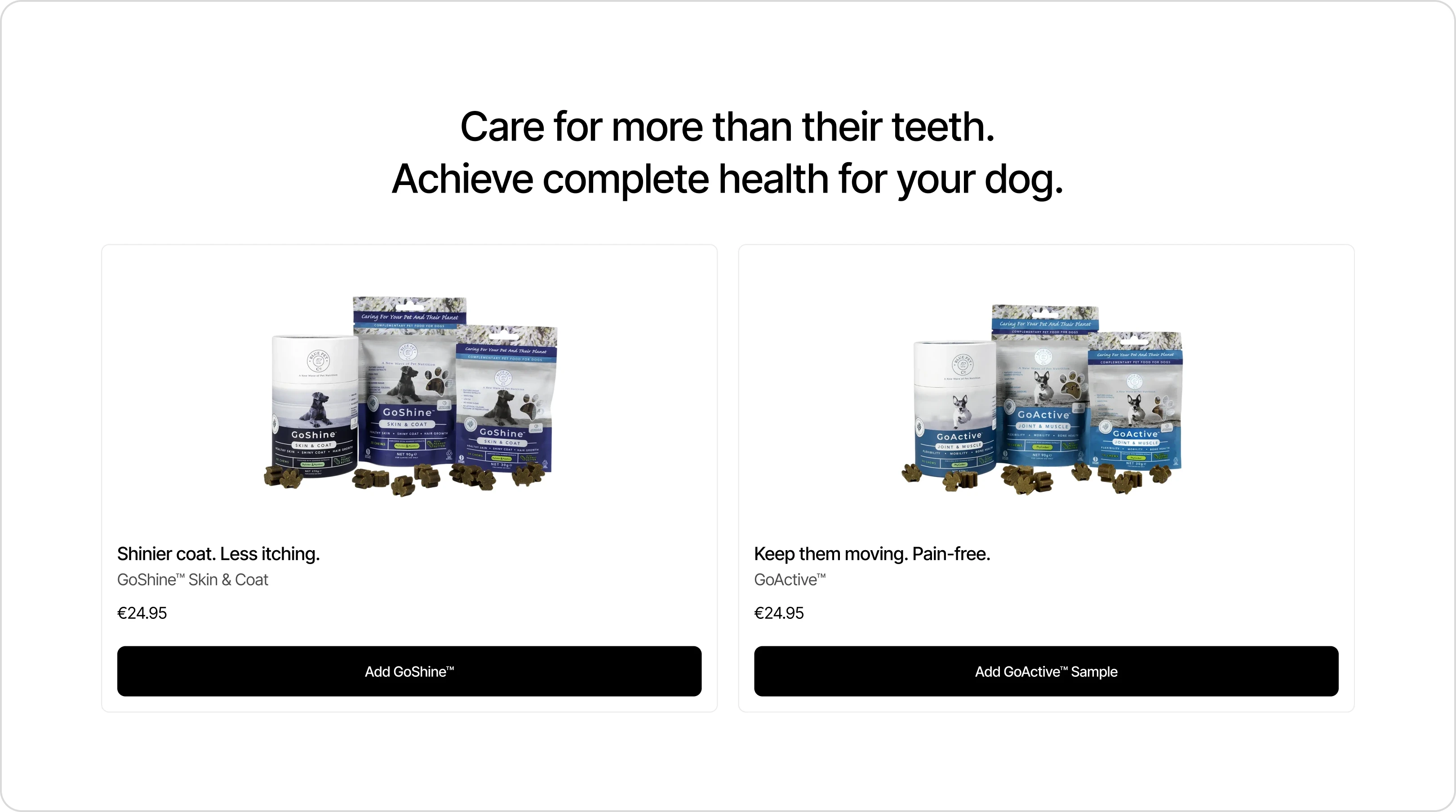
For example, let's say your site looks like this.
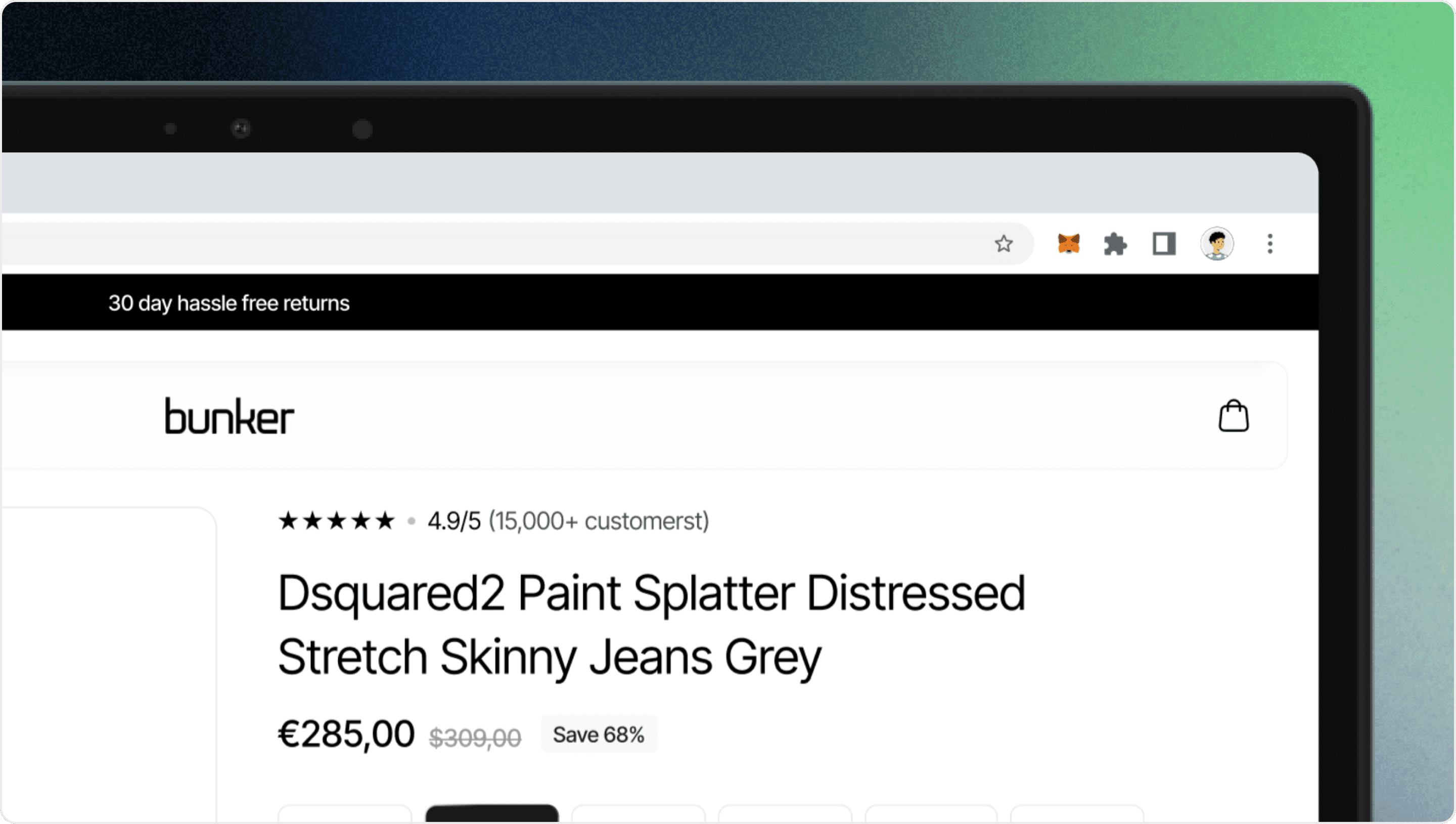
Then you add this ugly countdown timer.
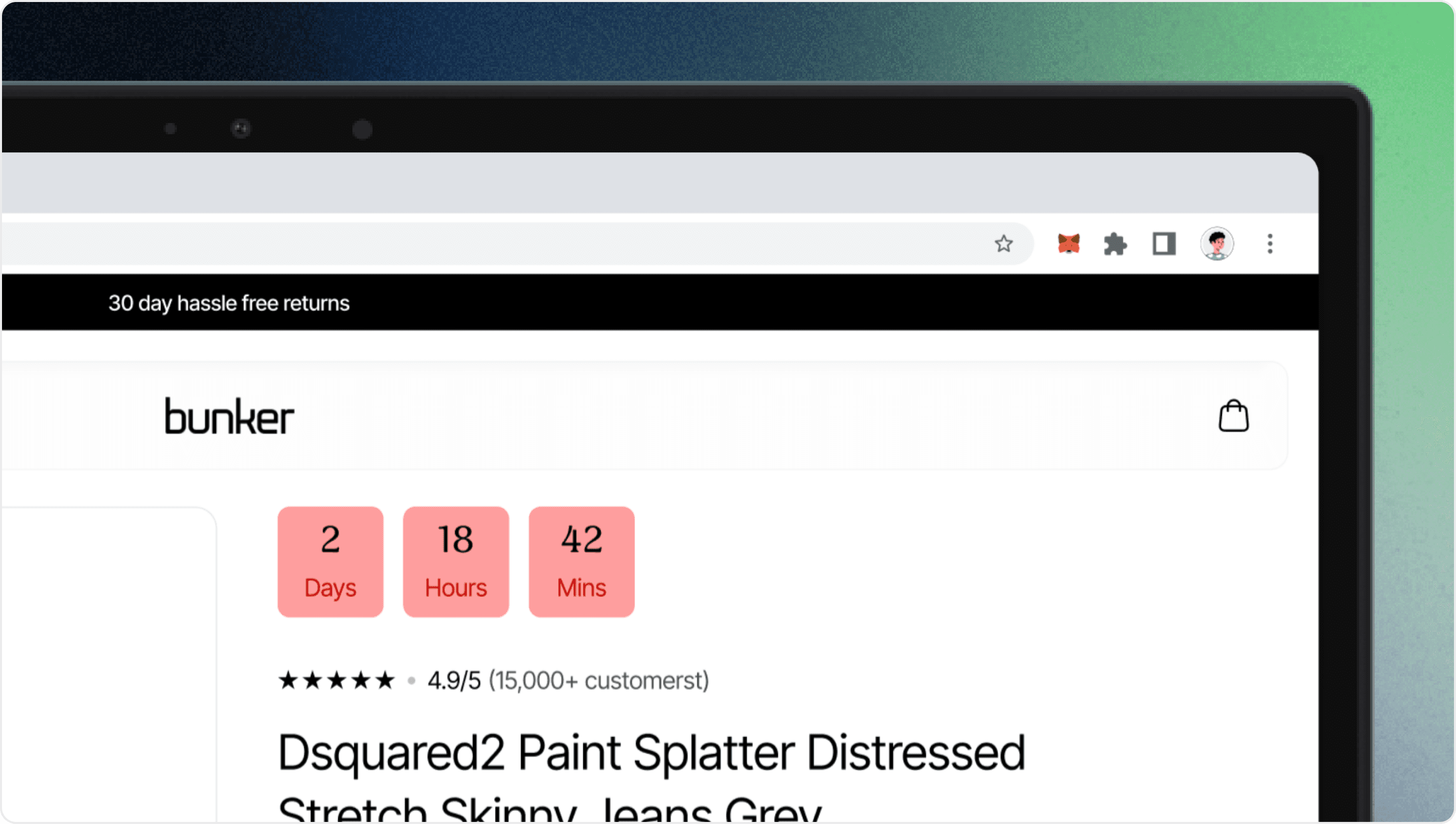
Will this lead to more immediate revenue?
Probably.
But what are the long term effects of adding features like this without considering how it affects the perception of your brand?
It's hard to say.
CRO agencies don't care. They've gotten you a result on paper, you've gotten ROI, everyone's happy.
Ecom brand owners can't define what the long term effects are, so they often don't. It's intangible. We're direct response marketers after all, it's all about optimizing conversion events right?
Well, if what you care about is short term revenue right now, or this year, maybe.
If what you care about is building an enduring, category defining, massive valuation, saleable brand, then no. There's more to building something like that than just "how do we maximise conversions right now."
The problem is that when it's outsourced to an agency with no regard for the brand & all of the long term advantages that come with it, they act as if tests should be ran in isolation rather than with consideration for the long term goals the brand may have.
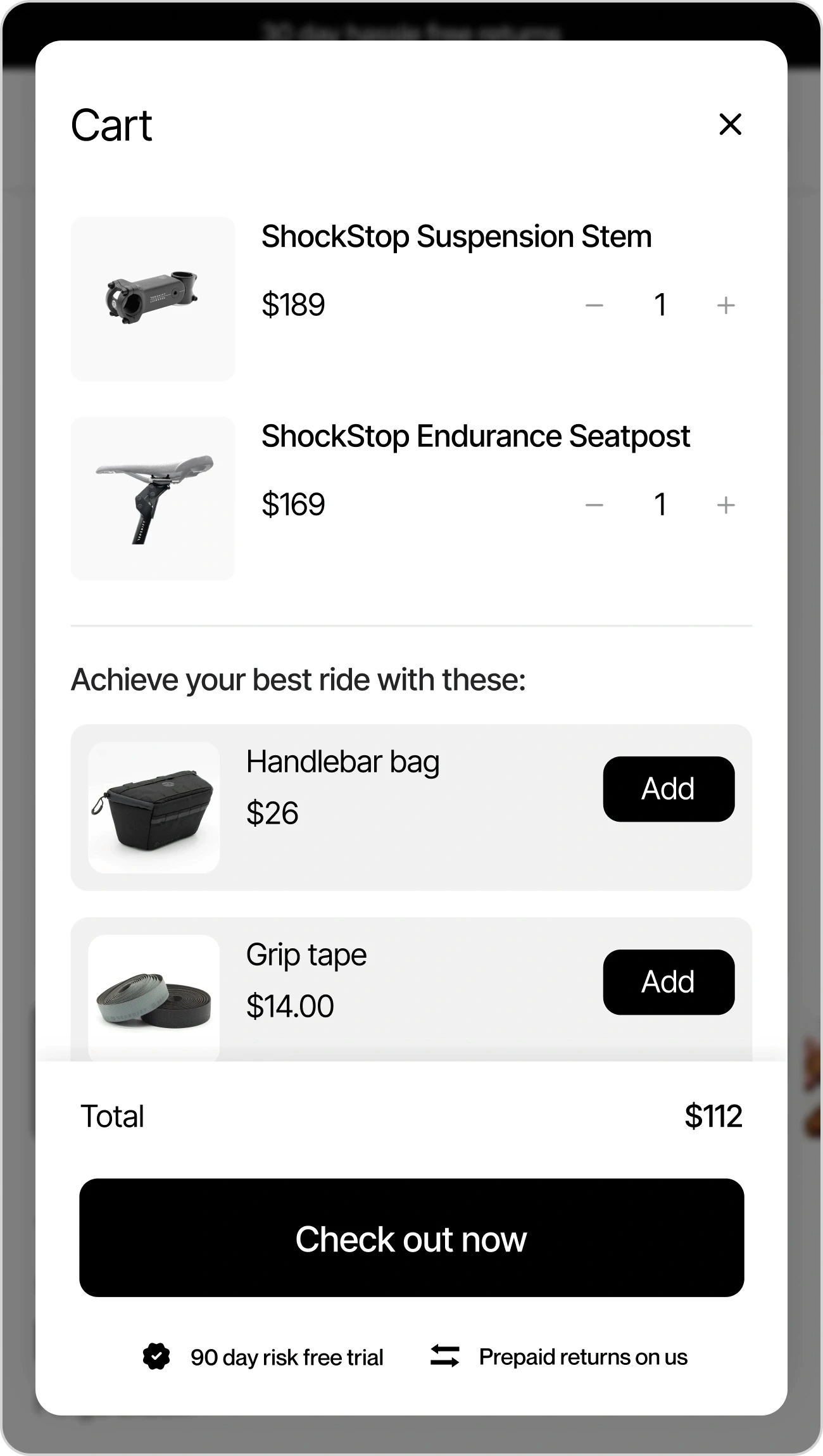
For example, see below.
Is running an offer test like this likely to result in more revenue? Probably, yes.
But what are the second order consequences of a feature like this being slapped onto your site without any consideration for brand?
And what if 10 of these random features, thought up in isolation, are added to your brand?
What you end up with is an end to end brand experience that's been given zero thought to how it feels as a whole — as a journey — and how it forms a perception of your brand as people consume the experience of your brand through your website.
If what you're optimising for is short term cashflow, maybe it's fine.
If what you want is to build a category defining, enduring brand, there is a cost to this.
That cost is the loss of perception of a premium, well considered brand. The cost of not having that is not building brand loyalty and driving word of mouth. The cost of losing brand loyalty is lower LTVs. The cost of losing word of mouth is paying for every single customer acquisition because people don't love your brand and don't talk about it.
The benefit of brand is that it starts to grow legs and become a thing that takes off on its own.
Think of some of the biggest brands in the world. They could stop doing any marketing whatsoever — the AG1s, the X & Ys — and they'd still have a massive business. Because brand does that. But it's intangible and hard to define, especially over the short term. So people act as if it doesn't exist. And that's a mistake.
So what do we do about this?
The answer isn't go to a branding agency instead of a CRO one. It's not to stick with your CRO agency either.
The answer is to find the balance.
What's the midpoint where we can create a brand people love to feel a part of and want to tell their friends about, and also ensure we're converting as many direct response customers as possible?
That's why we built Beyond The Fold. We're aware of the brands like Hears & Doe & Rose who have nailed this, but it hasn't been accessible without a world class in house team until now.
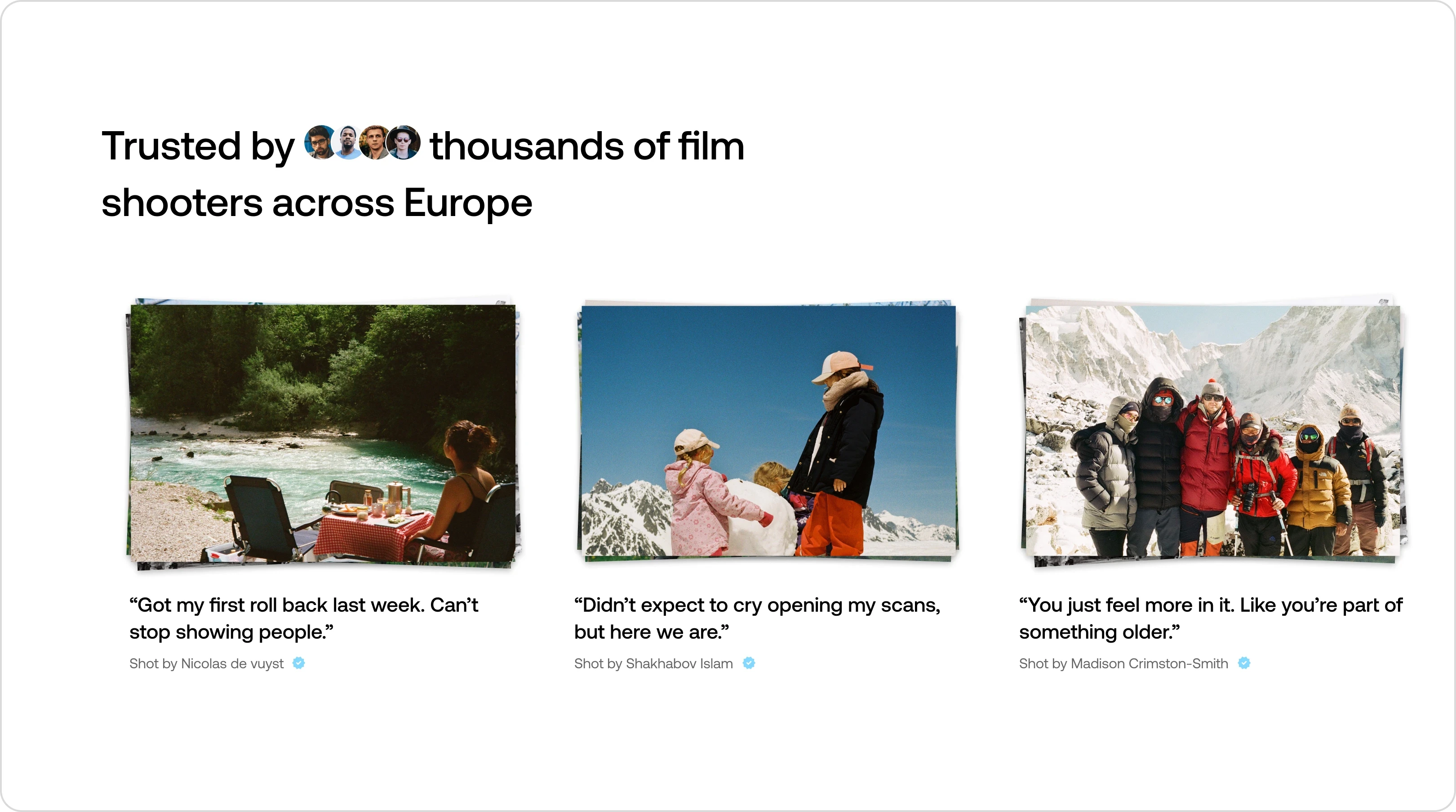
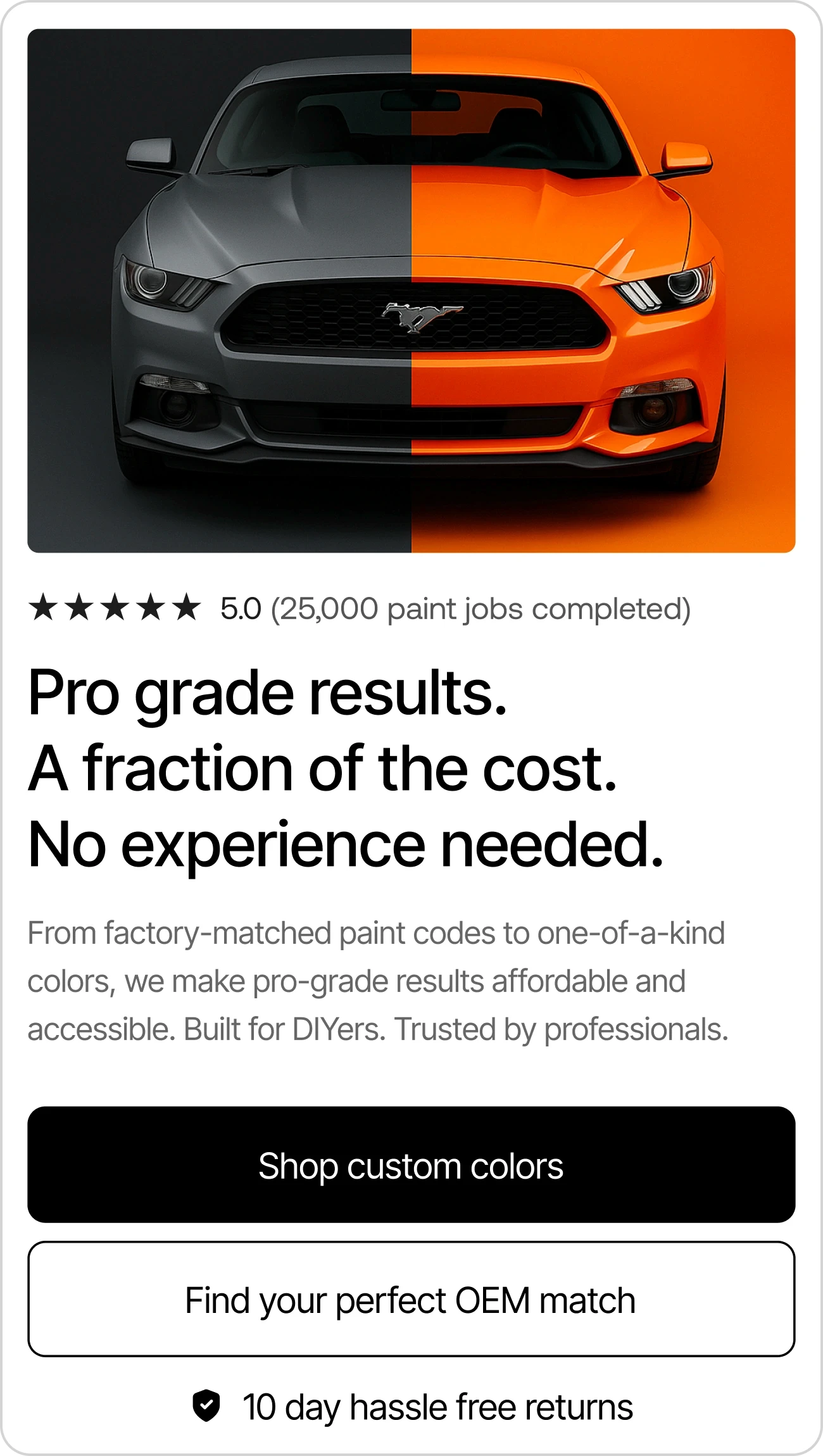
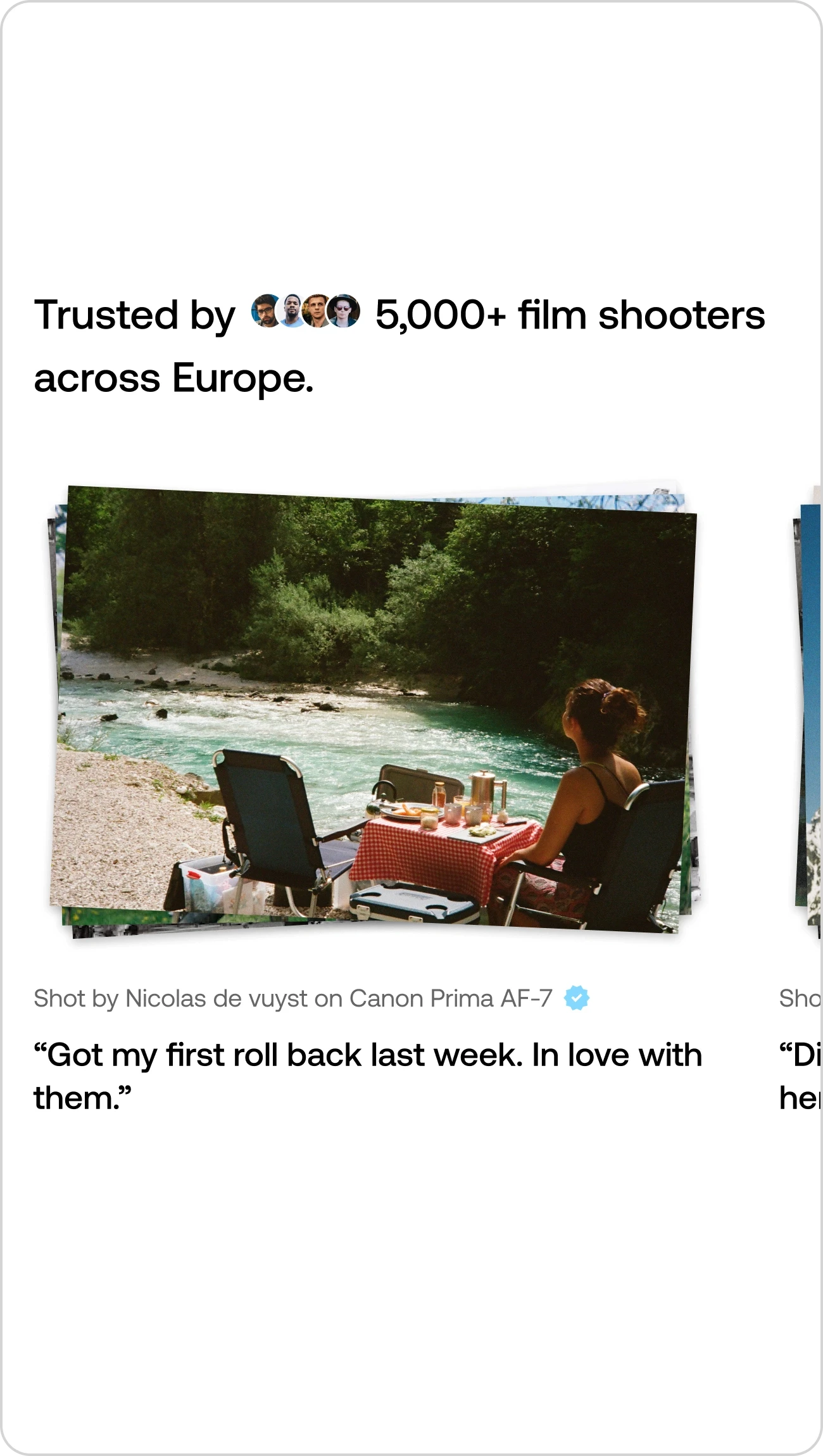
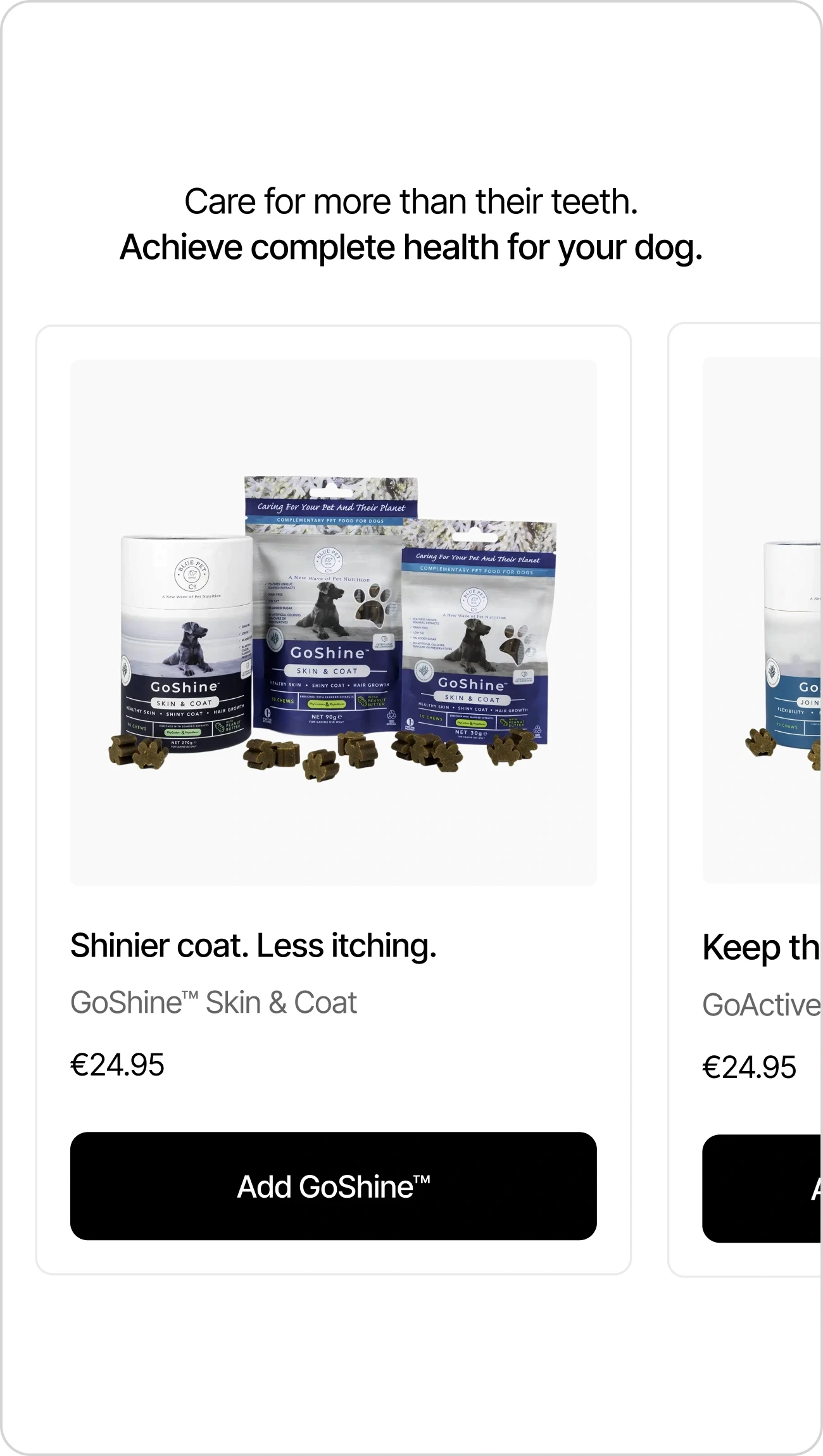
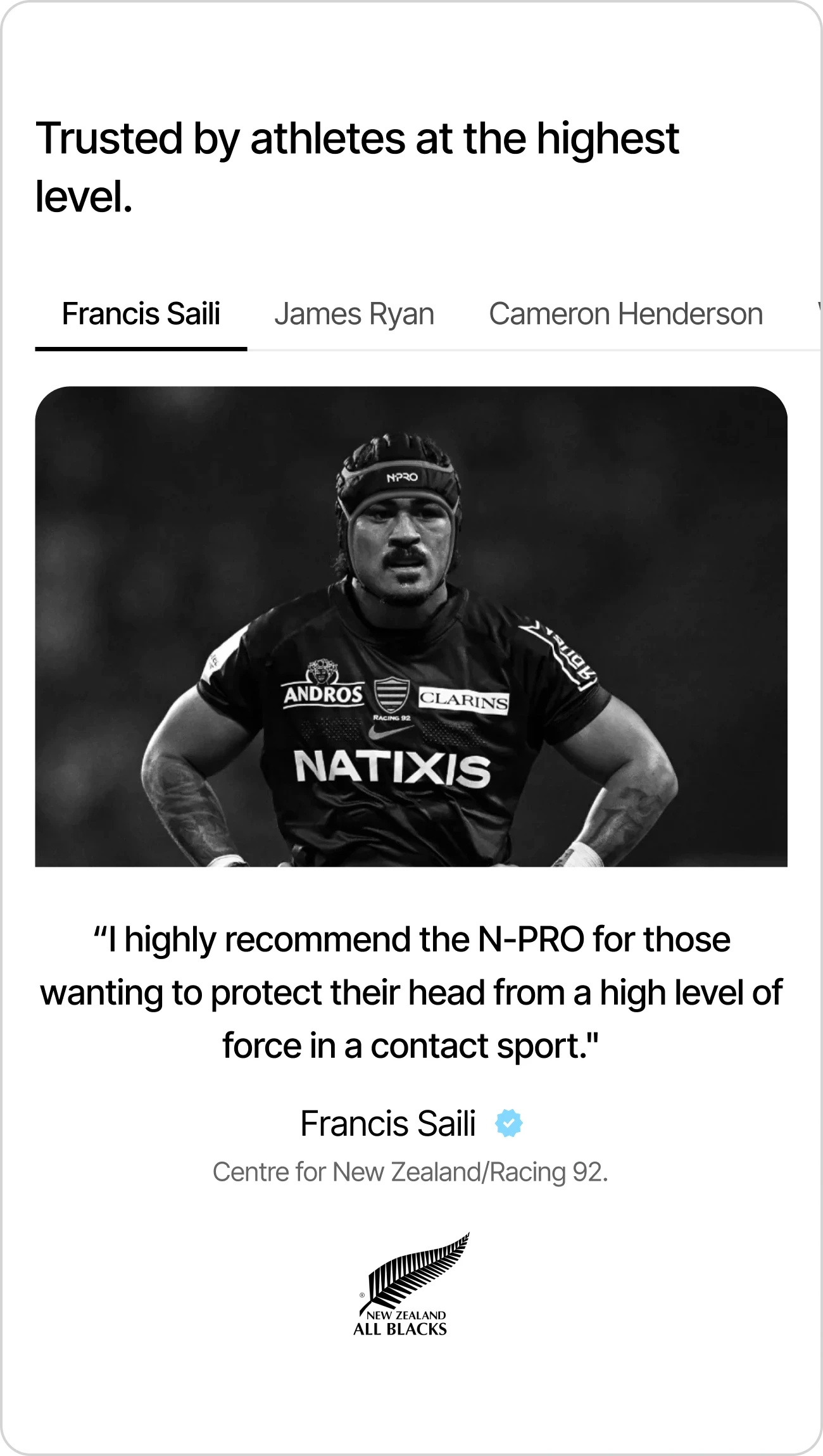
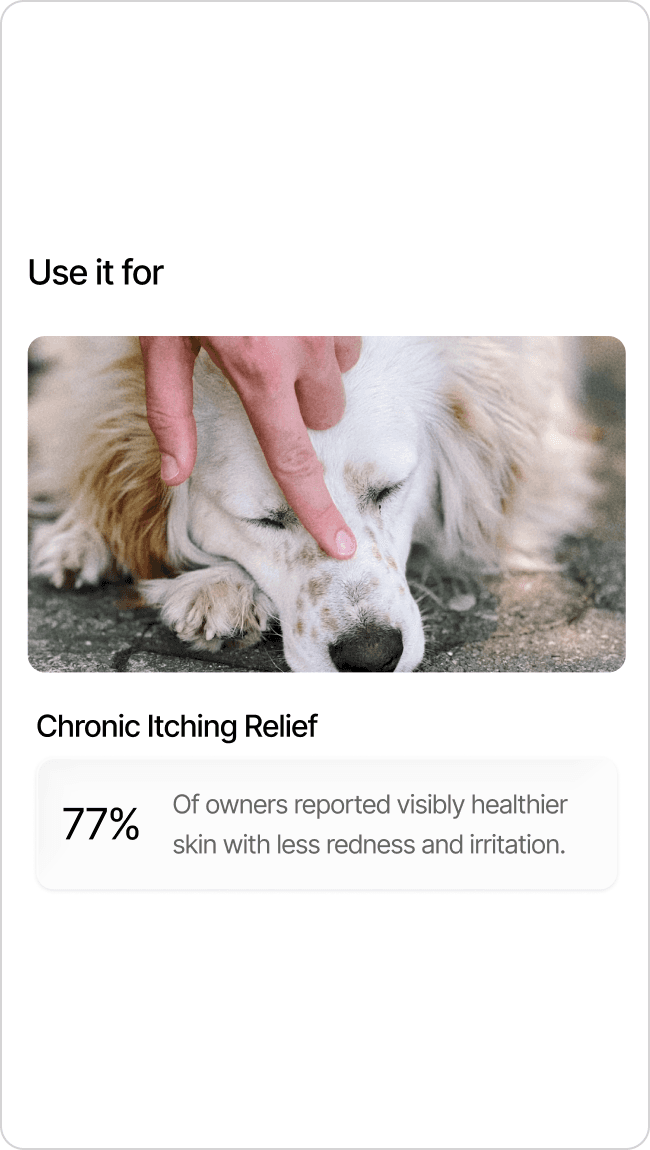
Check out our work below.


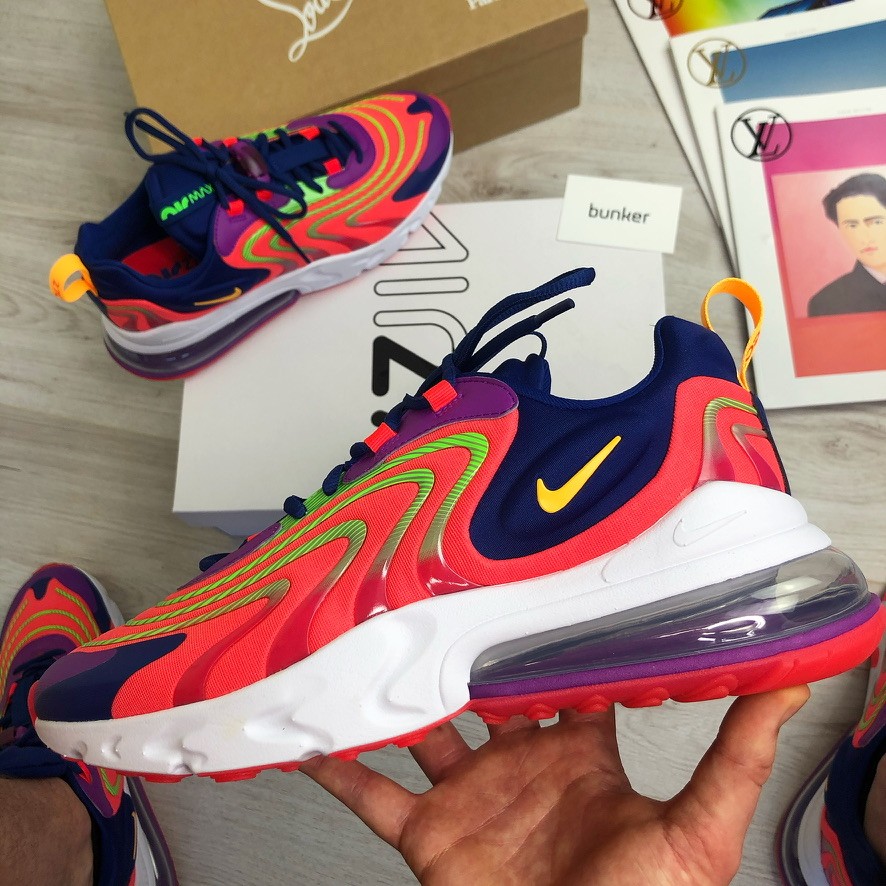
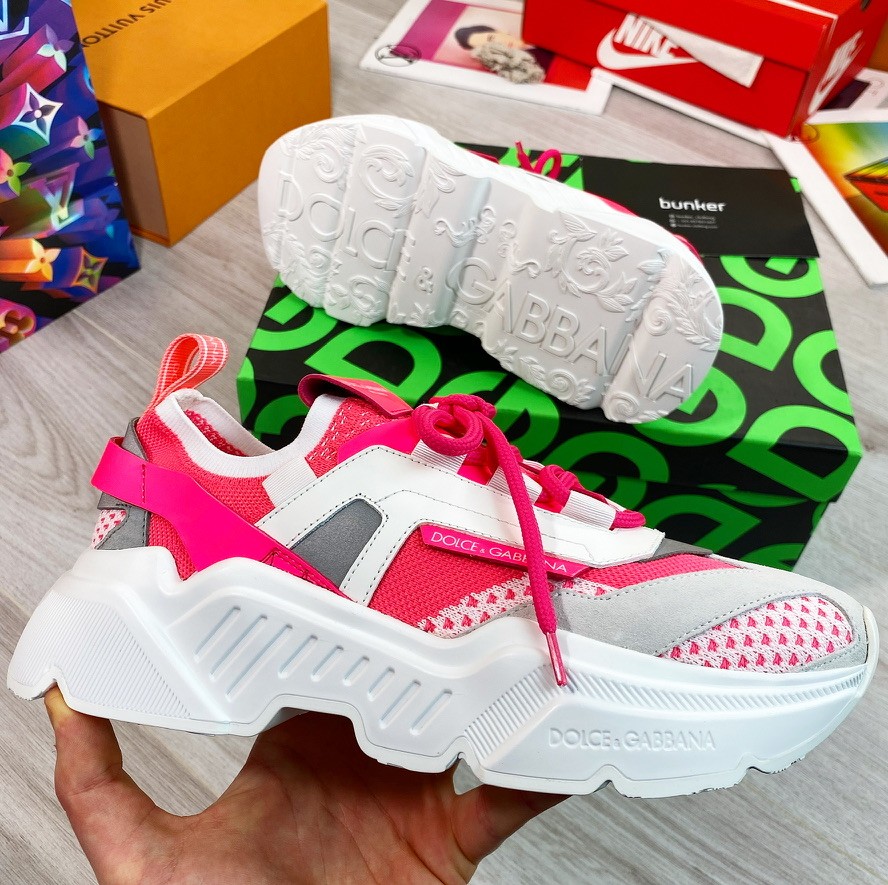








If you want to learn more about what we do, click the CTA below.